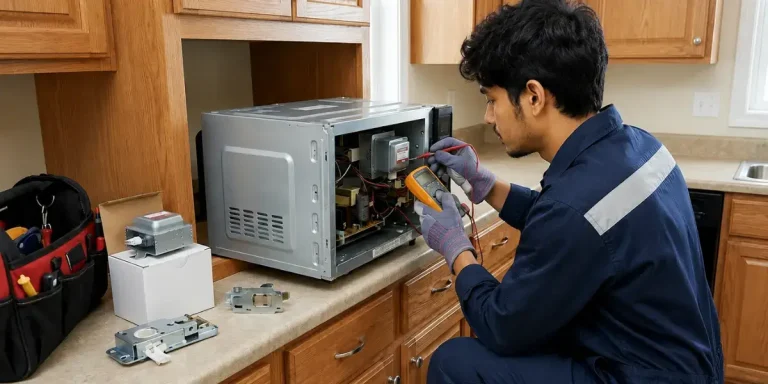
Refrigerator Not Cooling Properly? Common Causes and Fixes for Abilene Homes
Your refrigerator is one of the few appliances that never gets a day off. It runs 24/7, 365 days a year, quietly keeping your food safe and fresh. So when it starts acting up — warm milk, soft ice cream, or food spoiling faster than it should — it’s easy to feel a little panicked.
The good news is that most refrigerator problems have identifiable causes, and many can be spotted before they turn into a full breakdown or a kitchen full of spoiled groceries.
This guide breaks down the most common reasons a refrigerator stops cooling properly, along with what you can check yourself and when it’s time to call a professional.
Why Refrigerators Struggle More in Summer
Just like your air conditioner, your refrigerator works harder when temperatures rise. Warmer kitchens, more frequent door openings, and higher ambient heat all force the compressor and condenser to work overtime. A refrigerator that ran fine all winter can suddenly start showing problems once Abilene’s summer heat sets in.
This is why late spring and early summer are the best times to catch small issues before they become expensive repairs — or worse, a full appliance replacement.

Dirty or Blocked Condenser Coils
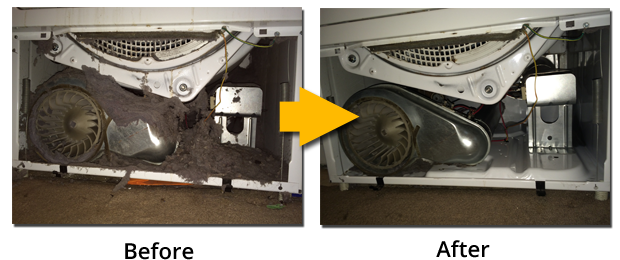
The condenser coils, usually located at the back or bottom of the refrigerator, release the heat pulled out of your food compartment. When they’re covered in dust, pet hair, or grease, the fridge can’t release heat efficiently.
Signs of dirty condenser coils:
- Refrigerator runs longer than usual
- Back or bottom of the unit feels unusually warm
- Higher energy bills
- Warm spots inside the fridge
Vacuuming the coils every six months can prevent this issue entirely — it’s one of the easiest maintenance tasks homeowners can do themselves.
Thermostat or Temperature Control Issues
Sometimes the problem isn’t mechanical at all — it’s a setting.
Things to check:
- Is the temperature dial set correctly (usually 37°F for the fridge, 0°F for the freezer)?
- Has the control accidentally been bumped or turned down?
- Is the display showing an error code?
A refrigerator with a faulty thermostat may run constantly without ever reaching the correct internal temperature.
Faulty Door Seals (Gaskets)
The rubber gasket around your refrigerator door keeps cold air in and warm air out. Over time, gaskets can crack, tear, or lose their seal.
Quick test: Close the door on a piece of paper. If you can pull it out easily, the seal may be failing.
A weak seal forces the compressor to run longer to compensate for lost cold air, increasing wear and energy use.
Frost Buildup on the Evaporator Coils
If your fridge is cooling poorly but the freezer is fine — or vice versa — frost buildup on the evaporator coils could be the cause.
Common causes:
- Faulty defrost timer
- Failing defrost heater
- Malfunctioning defrost thermostat
- Door left open too long
Excess frost blocks airflow between the freezer and refrigerator compartments, leading to uneven cooling.
Compressor Problems
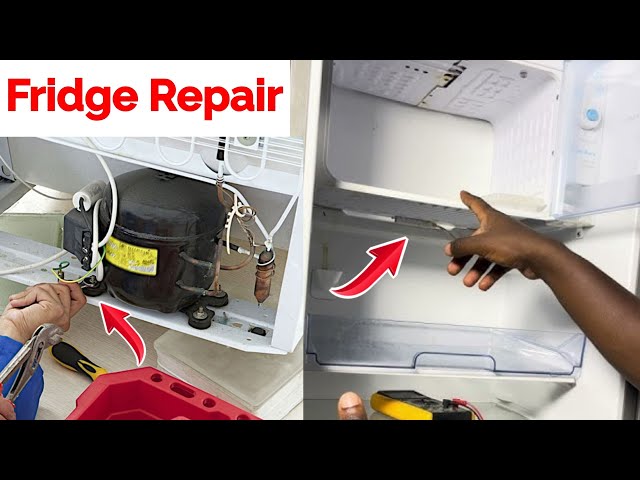
The compressor circulates refrigerant and is essential to the entire cooling cycle. When it fails, cooling stops almost entirely.
Warning signs:
- Fridge runs but doesn’t cool
- Loud humming or clicking from the back of the unit
- Compressor feels hot to the touch
- Frequent cycling on and off
Compressor issues are among the more serious refrigerator repairs and usually require a trained technician to diagnose accurately.
Low Refrigerant or a Refrigerant Leak
Similar to an AC system, refrigerators rely on refrigerant to absorb and release heat. A leak will gradually reduce cooling performance.
Symptoms:
- Warm air near vents inside the fridge
- Hissing or bubbling sounds
- Ice buildup in unusual places
- Longer-than-normal cooling cycles
Refrigerant leaks require professional repair — never attempt to recharge a refrigerator’s refrigerant yourself.
Preventive Maintenance Checklist
A little regular care goes a long way toward avoiding sudden refrigerator failures.
- Vacuum condenser coils every 6 months
- Check door seals for wear or gaps
- Keep the fridge at least a few inches from the wall for airflow
- Avoid overloading shelves, which blocks air circulation
- Don’t leave the door open longer than necessary
- Listen for unusual noises and address them early
When to Call a Professional
Some refrigerator issues are simple enough to check yourself. Others should be left to a trained technician, especially when they involve:
- Warm air despite correct thermostat settings
- Refrigerant leaks
- Compressor failure
- Water pooling under or inside the unit
- Electrical issues or tripped breakers
- Persistent frost or ice buildup
Attempting complex repairs without training can void warranties or create bigger, more expensive problems down the line.
Conclusion
A refrigerator that won’t cool properly can disrupt your entire household — but most issues start small and give warning signs well before a full breakdown. From dirty condenser coils and worn door seals to compressor failure and refrigerant leaks, knowing what to look for helps you catch problems early.
Regular maintenance and prompt attention to warning signs can extend your refrigerator’s life and save you from costly emergency repairs, especially during Abilene’s hottest months when appliances work their hardest.
Is your refrigerator not cooling like it should? Contact us today to schedule a fast, reliable diagnosis and get your kitchen back to normal.