Stove Not Heating in Abilene? Here’s What Could Be Wrong
When it’s time to cook dinner and your stove won’t heat up, it’s more than an inconvenience—it throws off your whole evening. If your burner won’t light or your oven stays cold no matter what you try, you’re probably wondering, “What went wrong?” The good news is that most stove problems have common causes, and several of them you can spot before ever calling a technician.
Think of your stove like your car. Even a reliable one needs regular attention to keep running smoothly. The same goes for your stove—a small issue, if ignored, can turn into a bigger repair right when you need your kitchen most.
This guide walks through the most common reasons a stove stops heating properly here in Abilene, what you can check yourself, and when it’s time to call a professional.
Why Abilene Kitchens Put Extra Wear on Stoves
Between everyday cooking and the extra use that comes with entertaining, hosting, and holiday meals, stoves in Abilene homes get put through a lot. Gas stoves depend on clean burner ports and a dry igniter to work properly, while electric stoves rely on solid connections and healthy heating elements. Over time, grease, food debris, and everyday wear can quietly reduce performance until a burner or oven stops responding altogether.
That’s why catching small issues early—before a big dinner or holiday gathering—can save you from a stove breakdown at the worst possible time.
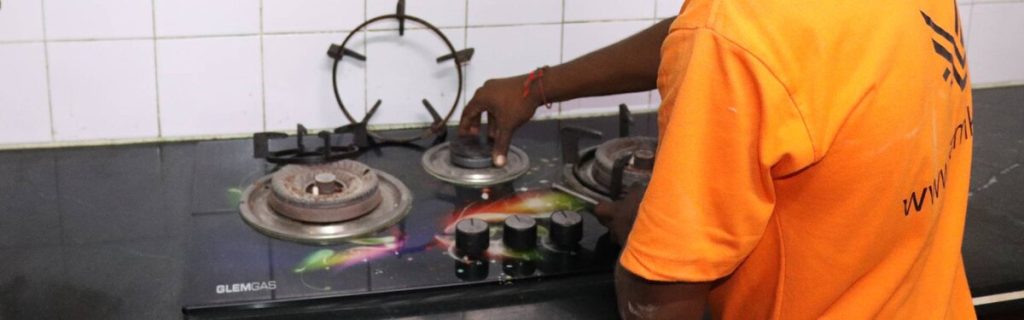
Clogged Burner Ports Can Stop Gas Burners From Lighting
One of the most common reasons a gas burner won’t light is a simple buildup of food debris in the burner ports.
Signs of Clogged Burner Ports
- Burner clicks but won’t ignite
- The flame is weak, yellow, or uneven
- Some ports light while others don’t
Cleaning the ports with a soft brush or pin often solves the problem in minutes. If the burner still won’t ignite after cleaning, the igniter itself may be at fault.
Loose Connections Can Keep Electric Burners From Heating
Sometimes the burner itself isn’t the problem—it’s how it’s connected.
Things to Check
- Is the burner fully seated in its socket?
- Is the coil visibly warped, cracked, or discolored?
- Does the burner work on high but not low (or the reverse)?
- Is the outlet or breaker supplying power?
A loose connection is an easy fix. A damaged coil or faulty switch usually isn’t and typically needs a technician.
Weak or Uneven Flame Reduces Cooking Performance
A healthy gas flame should burn blue and steady. When it doesn’t, your stove has to work harder while cooking less evenly.
Common Symptoms
- Yellow or orange flame instead of blue
- Flame that burns unevenly around the ring
- Weak flame despite a full gas supply
- Hissing sounds near the burner
Yellow flames often point to dirty ports or an incorrect air-to-gas mixture. A weak flame despite a full gas supply can mean a blockage in the line or regulator, which calls for professional repair.
Faulty Igniters Make It Hard to Start the Burner or Oven
The igniter is responsible for sparking the burner or triggering the gas valve in your oven. Over time, it can wear out or become unreliable.
Why This Matters A weak igniter often can’t generate enough spark or draw enough gas to properly ignite, leaving your burner or oven cold even though everything else seems fine.
Oven Won’t Heat Evenly Stops Proper Baking
It’s common for an oven to heat unevenly long before it stops heating altogether.
Common Causes
- Cracked or loose door gasket
- Miscalibrated thermostat
- Failing temperature sensor
- Blocked or damaged bake element
If you notice hot spots, cold spots, or food consistently under- or over-cooking, it’s worth checking the door seal and thermostat settings before assuming a bigger issue.

Unresponsive Control Panels Limit Your Stove’s Function
Digital displays, buttons, or touch controls can occasionally stop responding.
Quick Inspection
- Breaker hasn’t tripped
- Power cord is fully connected
- The panel doesn’t respond even after a reset
Control Board Issues Can Reduce Stove Function
The control board is often called the brain of the stove. Without it working properly, burners and the oven may not receive the right signals.
Signs of Control Board Trouble
- The panel is unresponsive or glitching
- Burners or oven won’t turn on despite power
- The stove resets or shuts off on its own
- Inconsistent temperature control
Control board repairs are among the more involved appliance repairs and typically require professional diagnosis.
An Aging Stove May Be Losing Efficiency
Even with proper care, every stove has a lifespan.
Warning Signs of an Aging Stove
- Frequent burner or oven issues
- Increasing repair costs
- Uneven cooking results
- Visible wear on burners, coils, or the control panel
Most stoves last between 13 and 15 years, depending on use and maintenance.
If your stove is nearing the end of its life, replacing it may offer better reliability and more consistent cooking results.

Preventive Maintenance Tips to Avoid Stove Problems
Routine care is the best way to prevent unexpected breakdowns right when you need your stove most.
Simple Maintenance Checklist
- Clean burner ports regularly
- Wipe down and dry igniters after cleaning
- Check the door gasket for cracks or gaps
- Recalibrate the oven thermostat periodically
- Inspect burner connections for looseness
- Schedule annual stove inspections
- Monitor unusual smells or noises
- Avoid using cracked cooktops or damaged burners
Preventive care often costs far less than emergency repairs.
When to Call a Stove Repair Professional
While homeowners can safely handle basic maintenance, some problems require professional attention.
Call a qualified stove repair technician if you notice:
- Gas smell or suspected leak
- Sparking or burning electrical smell
- Burner or oven that won’t heat despite basic troubleshooting
- Cracked glass cooktop surface
- Control panel that stays unresponsive after a reset
- Persistent clicking with no ignition
- Repeated shutdowns or resets
Prompt repairs help prevent further damage and may extend the life of your stove.
Conclusion
A stove that won’t heat properly can quickly turn dinnertime into a headache here in Abilene. Fortunately, many stove problems have recognizable causes, from clogged burner ports and loose connections to worn igniters and control board issues.
Regular maintenance, timely repairs, and paying attention to early warning signs can help keep your stove running reliably. Whether the fix is as simple as cleaning a burner or as involved as replacing a control board, addressing problems early saves both money and stress while keeping your kitchen running smoothly. Quickly repair your appliances