Dishwasher Not Draining? Here’s What’s Actually Wrong
You open the dishwasher expecting clean, dry dishes, and instead you’re staring at an inch of cloudy, food-flecked water sitting at the bottom. It’s one of the more unpleasant appliance surprises out there, partly because Dishwasher Not Draining it looks worse than it usually is.
Here’s what I’ve learned running service calls across Abilene: a dishwasher that won’t drain is almost never a sign the whole machine is dying. It’s nearly always one specific component or blockage, and most of these have a clear, identifiable cause once you know where to look. This guide walks through the full list in the order that actually makes sense to check, not just a random grab-bag of possibilities.
What You’ll Learn in This Guide
We’re covering every real cause of standing water in a dishwasher, from the boring stuff you can fix in five minutes to the pump issues that genuinely need a technician. I’ll also cover the garbage disposal connection that catches almost everyone off guard, because it’s one of the most common causes and one of the least understood.
Why Won’t My Dishwasher Drain? The Full Diagnostic Order
1. Clogged Filter (Check This First, Every Time)
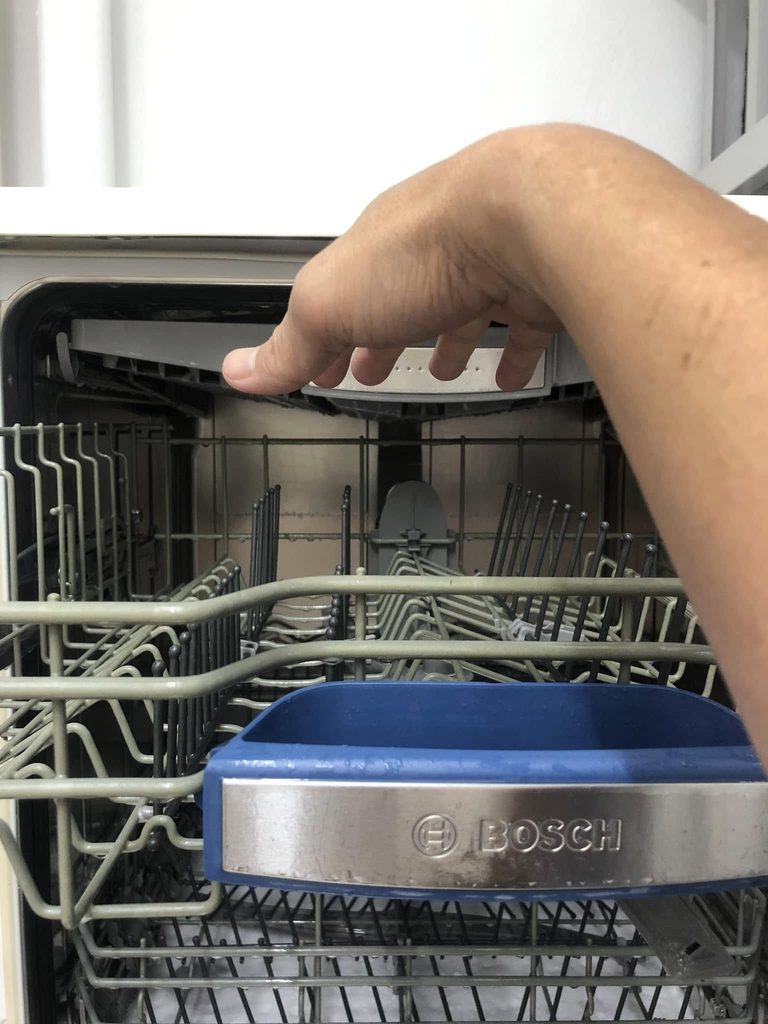
Modern dishwashers have a removable filter at the bottom of the tub, usually under the lower spray arm, that catches food particles before they reach the drain pump. This filter needs manual cleaning, and it’s the single most overlooked maintenance task on the entire appliance.
Here’s the thing people don’t expect: many dishwashers don’t have a built-in disposal system anymore. Older models used to grind up food waste automatically, but a lot of newer, quieter models rely entirely on this filter, which means it clogs faster than people assume based on how their old dishwasher used to behave.
What to check: Pull out the lower rack and locate the filter assembly, usually a cylindrical or mesh piece that twists or lifts out. If it’s caked with food debris, that’s very likely your answer.
2. Clogged or Kinked Drain Hose
The drain hose carries water from the dishwasher to either the garbage disposal or a dedicated drain connection under the sink. Over time, this hose can develop a kink, especially if the cabinet under your sink is tight on space, or it can accumulate a food and grease buildup internally that restricts flow.
What to check: If you’re comfortable looking under the sink, trace the hose from the dishwasher connection to where it terminates. Look for any bends, kinks, or visible sagging that could be trapping water or restricting flow.
3. Garbage Disposal Connection Issues (The One Everyone Misses)
This is the cause that catches people off guard the most, and it’s worth explaining clearly because the connection isn’t obvious if you’ve never thought about it before. Many dishwashers drain through a hose connected directly to your garbage disposal unit. If you’ve recently installed a new disposal, there’s a knockout plug inside the disposal’s dishwasher inlet that needs to be removed before the connection works. If that plug wasn’t knocked out during installation, your dishwasher will fill and run its cycle, but water has nowhere to go.
Separately, if your disposal itself has a clog or is genuinely broken, that backup can prevent your dishwasher from draining properly even with a perfectly functional dishwasher pump.
What to check: Run your garbage disposal on its own, with water running, and see if it drains normally. If your disposal is newer than your dishwasher’s drainage issue, ask whoever installed it whether the knockout plug was removed.
4. Faulty Drain Pump
The drain pump is the component actually responsible for pushing water out of the dishwasher and through the hose. If this pump fails, either from a worn motor or debris jamming the impeller, water simply has no way to leave the tub regardless of how clear everything else is.
What to check: Listen during the drain cycle. A healthy pump makes a distinct humming or whirring sound as it works. If you hear nothing at all during what should be the drain phase, or you hear a struggling, straining sound, the pump is a strong suspect.
5. Broken or Stuck Check Valve
Many dishwashers have a small check valve designed to let water out during the drain cycle while preventing dirty water from flowing back in from the sink or disposal. If this valve gets stuck in the closed position, water can’t exit properly. If it’s stuck open, you might notice water backing up into the dishwasher from the sink instead of just a straightforward drainage failure.
6. Clogged Air Gap (If Your Setup Has One)
Some sink configurations include a small cylindrical air gap fixture that sits on the counter or sink deck. This is part of the drain path for certain plumbing setups, and it can clog with the same food debris and grease that affects the drain hose.
What to check: If you have one of these fixtures, remove the cap and check for visible buildup. This is one of the easiest components to clean yourself.
Common Causes Comparison Table
| Cause | How Common | DIY-Friendly? | Typical Fix Cost | Key Warning Sign |
|---|---|---|---|---|
| Clogged filter | Very common | Yes | Free | Food debris visible in filter |
| Kinked or clogged hose | Common | Moderate | Low | Sagging or bent hose under sink |
| Garbage disposal connection | Common | Moderate | Low-Free | New disposal recently installed |
| Faulty drain pump | Less common | Not recommended | Moderate | No sound during drain cycle |
| Stuck check valve | Less common | Not recommended | Low-moderate | Water flowing back from sink |
| Clogged air gap | Situational | Yes | Free | Only applies if fixture is present |
Cost ranges vary by brand, model, and local labor rates, so treat this as general guidance rather than a fixed quote.
Why This Seems to Happen More Often Right After a New Disposal Install
I want to spend a bit more time on this one because it genuinely accounts for a disproportionate number of “my dishwasher suddenly stopped draining” calls we get. If a homeowner installs a new garbage disposal, and either they or their installer forgets to knock out that small plastic plug inside the disposal’s dishwasher inlet port, the dishwasher will run its full cycle completely normally right up until the drain phase, at which point the water simply has nowhere to go.
This is frustrating specifically because everything about the dishwasher itself is working correctly. It’s not a dishwasher problem at all, and yet it presents exactly like one. If your drainage issue started suspiciously close to a kitchen plumbing change, this should be the very first thing you check, even before the filter.
Hard Water and Abilene’s Impact on Drain Components
Our water here runs harder than a lot of other regions, and hard water mineral buildup can accelerate wear on internal dishwasher components over time, including check valves and pump seals. This doesn’t mean every drainage issue here is hard-water-related, but it does mean components in this climate sometimes show wear a bit earlier than manufacturer expectations based on national averages. Running a dishwasher cleaner cycle periodically, and addressing hard water buildup with appropriate rinse aids, can help extend the life of these parts.
When to Call a Professional
A few signs mean it’s genuinely time to bring in help rather than keep troubleshooting:
- You’ve cleaned the filter, checked the hose, and confirmed the disposal drains fine on its own, and standing water persists
- You hear no sound at all during what should be the drain cycle
- Water is backing up into the dishwasher from the sink side
- You’re uncomfortable accessing the pump assembly, which typically requires removing lower panels
Trying to force a fix on a drain pump without proper diagnosis can lead to paying for a part that wasn’t actually the problem, which is more expensive than getting it correctly identified up front.
Repair Versus Replace: My Honest Take
If the cause turns out to be a filter, hose, or disposal connection issue, repair is essentially a non-question, since these are inexpensive, straightforward fixes regardless of dishwasher age. Where it gets more nuanced is a failed drain pump on an older machine. If your dishwasher is already eight-plus years old and facing a pump replacement, it’s worth comparing that cost against a new unit, particularly since newer models tend to be more water and energy efficient in ways that offset some of the purchase cost over time.
Frequently Asked Questions
Bringing It All Together
A dishwasher that won’t drain looks alarming, but in the overwhelming majority of cases we see, it traces back to something straightforward: a dirty filter, a kinked hose, or a disposal connection that was never properly completed. Working through the list in order, starting with the filter and disposal check before assuming pump failure, saves both time and unnecessary repair costs.
Still dealing with standing water after checking the basics? Call us today at (325) 331-4467 for same-day or next-day dishwasher repair in Abilene, and let’s get it draining properly again.
Have you ever traced an appliance problem back to something completely unexpected, like the disposal connection issue above? I’d genuinely like to hear about it.