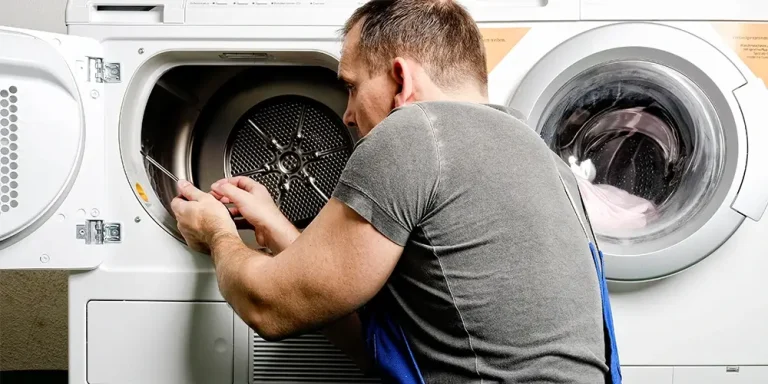
Oven Repair : Gas, Electric, Convection & Wall Oven Fixes
Few kitchen breakdowns disrupt a household faster than an oven that won’t heat right. Whether you’re dealing with a gas oven repair, an electric oven not heating, or a convection oven that’s cooking unevenly, the frustration is the same — dinner’s on hold and you’re not sure what’s actually wrong.
The good news is that oven problems, across every type — gas, electric, convection, wall ovens, and even steam ovens — tend to fall into a predictable set of causes. This guide covers the most common issues by oven type, what you can check yourself, and when it’s time to call a professional for oven repair in Abilene.
Why Oven Type Matters for Diagnosing the Problem
Not all ovens fail the same way. A gas oven repair often centers on ignition and gas flow, while an electric oven repair usually points to a heating element, sensor, or electrical component. Convection ovens add a fan and motor into the mix, and built-in wall ovens come with their own space and access considerations.
Knowing which type of oven you have — and its most common failure points — makes it much easier to describe the problem accurately and get it fixed faster.
Gas Oven Repair: Common Issues
Gas ovens rely on an ignition system to light the burner, which means most problems trace back to a handful of components.
Common gas oven problems:
- Weak or no ignition — usually a failing igniter, the most frequently replaced part in gas ovens
- Yellow or irregular flame — can indicate a dirty burner or ventilation issue
- Gas smell — a serious safety issue; stop use immediately and call a professional
- Oven won’t reach temperature — often a faulty thermostat or temperature sensor
Important: If you ever smell gas or notice an irregular hissing flame, turn off the oven, avoid using any open flame or switches nearby, and call a professional immediately. Gas oven issues involving live gas lines should never be treated as a DIY repair.

Electric Oven Repair: Common Issues
Electric ovens are generally simpler mechanically, but their heating elements and electrical components wear out over time.
Common electric oven problems:
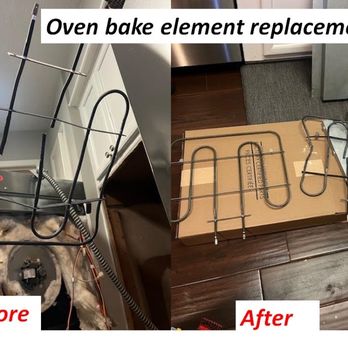
- Bake or broil element not heating — the most common electric oven repair; the oven won’t reach or maintain temperature
- Uneven cooking — often a drifted temperature sensor
- Oven won’t turn on at all — can point to a tripped breaker, faulty control board, or failed relay
- Display works but oven doesn’t heat — a display reaching the set temperature doesn’t always mean the cavity is actually heating correctly
If a bake or broil element isn’t glowing evenly cherry-red during a test cycle, that’s a strong sign it needs replacing.
Convection Oven Repair: Common Issues
Convection ovens add a fan and motor system to circulate hot air for more even cooking — which also means an extra component that can fail.
Common convection oven problems:
- Fan not running — eliminates the even-heat benefit convection ovens are known for
- Whining or wobbling fan noise — usually indicates a worn or failing fan motor bearing
- Uneven baking (browned on one side, undercooked on the other) — often a worn convection fan or a failed heating element
- Convection mode not engaging — can be a control board or relay issue
Wall Oven & Built-In Oven Repair
Built-in wall ovens share many of the same failure points as standard gas and electric ovens, but repairs can be more involved due to their fixed installation.
What’s different with wall ovens:
- Limited access space can make diagnosis and part replacement more time-consuming
- Double wall ovens may have one working unit and one failed unit — don’t assume both need repair
- Built-in units often require careful handling to avoid damage to surrounding cabinetry during repair
Steam Oven Repair: Common Issues
Steam ovens are less common but becoming more popular in modern kitchens, and they come with their own specific issues.
Common steam oven problems:
- Water reservoir or fill system issues — prevents proper steam generation
- Mineral buildup — hard water (a factor in Abilene) can clog steam generation components faster than in other regions
- Error codes related to water flow or drainage
Steam ovens typically require manufacturer-specific parts, so professional diagnosis is usually the fastest path to a fix.
Signs Your Oven Needs Professional Repair
Regardless of oven type, these signs mean it’s time to call a technician rather than keep troubleshooting:
- One heating element is dark or only partially glowing
- Gas flame has yellow tips, hisses irregularly, or won’t stay lit
- Convection fan whines, wobbles, or has stopped entirely
- Oven runs significantly hotter or colder than the set temperature
- Any gas odor, smoke, or burning smell
- Repeated breaker trips when the oven is in use
A simple test: run the oven empty at 350°F for 30 minutes, then check that heating elements glow uniformly or that the gas flame burns blue across the entire burner tube with no yellow tips. Inconsistent results point to a repair need, not just a settings issue.
Is It Worth Repairing Your Oven?
Oven lifespans vary significantly by type and brand:
- Standard ovens (GE, Whirlpool, Frigidaire) — typically last 13–17 years
- Premium ovens (Bosch, KitchenAid) — typically last 13–18 years
- Professional-grade ovens (Wolf, Viking, Thermador) — typically last 14–20+ years
- Gas ovens generally outlast electric ovens by 1–2 years due to fewer components
As a general rule, if the repair cost is less than half the price of a comparable replacement — and the oven hasn’t already reached the high end of its expected lifespan — repair is usually the better financial choice.
Preventive Maintenance Tips for Any Oven Type
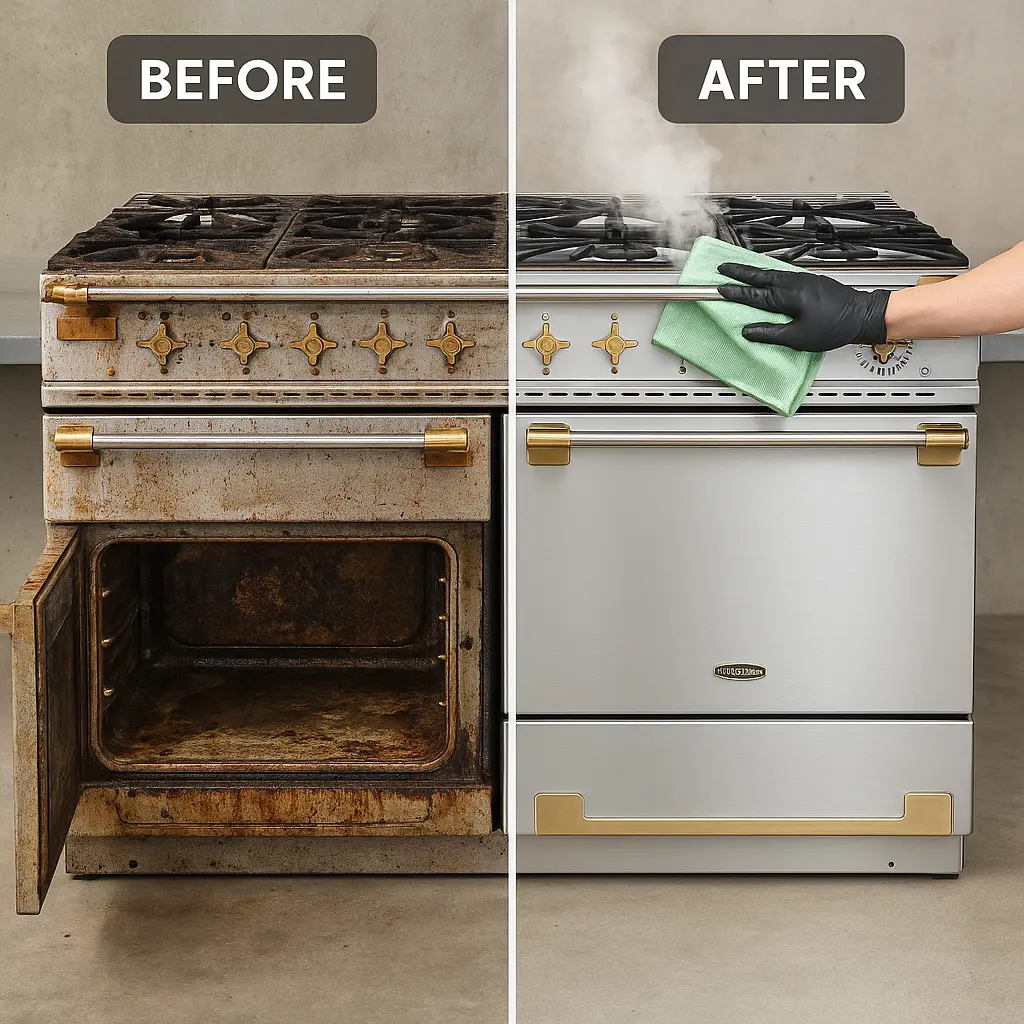
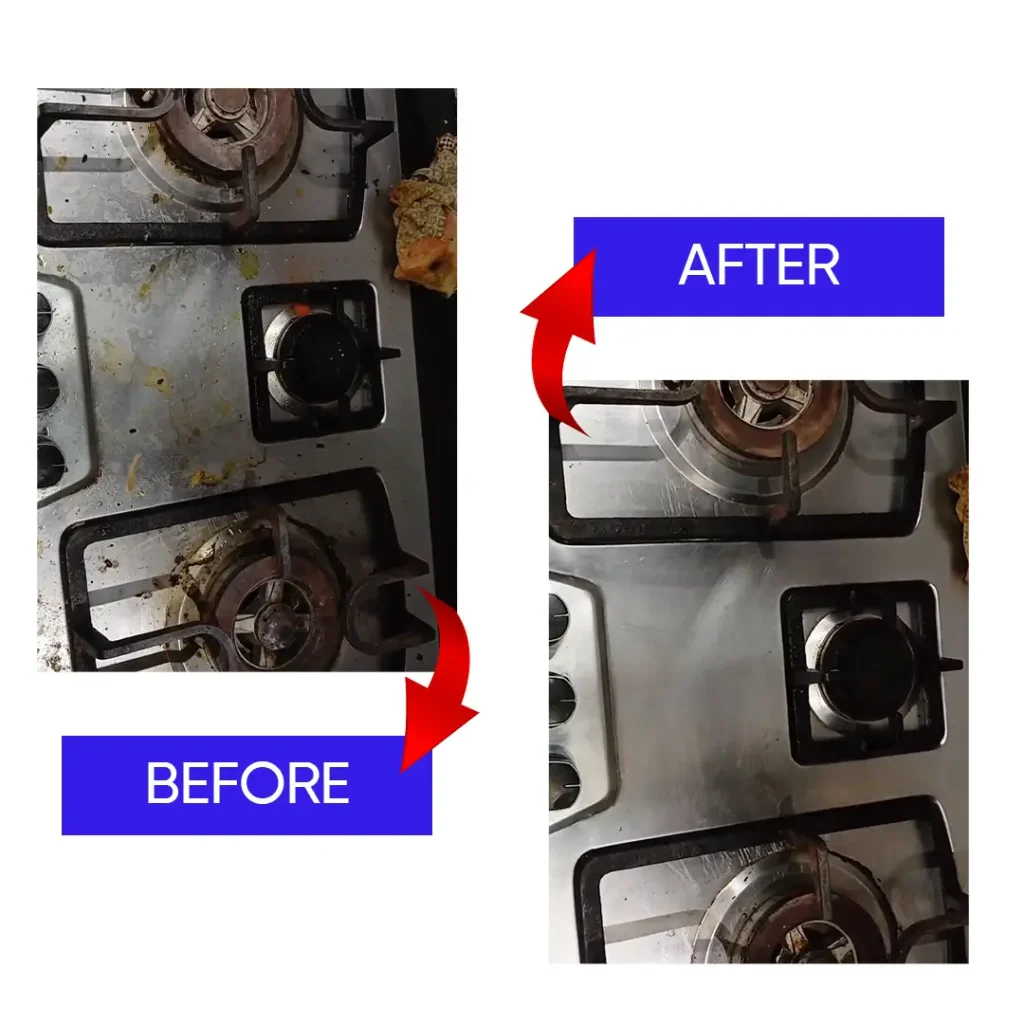
- Clean spills and food residue regularly to prevent buildup on heating elements or burners
- Check door seals periodically — a poor seal wastes energy and affects cooking temperature
- For gas ovens, keep burner ports clean and free of debris
- For convection ovens, listen for fan noise changes as an early warning sign
- Use an oven thermometer occasionally to verify accurate temperature calibration
- Schedule a professional inspection annually, especially for gas ovens
When to Call a Professional
While some oven issues can be identified with basic troubleshooting, these situations call for a licensed technician:
- Any gas odor or suspected gas leak
- Electrical issues, including repeated breaker trips
- A heating element, igniter, or fan motor that needs replacement
- Persistent temperature calibration problems
- Built-in or double wall oven repairs requiring careful cabinetry handling
Conclusion
Whether you’re dealing with a gas oven repair, an electric oven not heating properly, or a convection oven with a failing fan, most oven problems fall into recognizable patterns based on the type of oven you have. Catching the warning signs early — inconsistent flame color, uneven baking, unusual noises, or temperature drift — can help you avoid a complete breakdown and keep repair costs lower.
If you’re searching for oven repair near me in Abilene, addressing small issues promptly is the best way to extend your oven’s lifespan, no matter which type sits in your kitchen.
Frequently Asked Questions
Need oven repair in Abilene — gas, electric, convection, or wall oven? Contact us today to schedule a fast, reliable diagnosis and get your kitchen back up and running.