Washing Machine Repair in Abilene: Fixes for the Most Common Washer Problems
Searching for washing machine repair near me usually means one thing — your laundry routine has come to a complete stop. Whether your washer won’t drain, won’t spin, or is leaking water across the floor, a broken washing machine is one of the most disruptive appliance problems a household can face.
The good news is that most washer repair issues fall into a handful of common categories, and many can be diagnosed — sometimes even fixed — before you ever need to call a technician.
This guide covers the most common reasons a washing machine stops working properly, what you can check yourself, and when it’s time to call a professional for washing machine repair in Abilene.
Why Washing Machines Break Down Faster in Abilene
Washing machines run through hundreds of cycles a year, cycling water, spinning at high speed, and absorbing constant vibration. Hard water — common throughout Texas, including Abilene — accelerates mineral buildup inside pumps, valves, and hoses, which means washer repair issues often show up sooner here than in areas with softer water.
Knowing the most common failure points helps you catch small problems early, before they turn into a full breakdown or a flooded laundry room.
Washing Machine Won’t Start
If your washer won’t power on at all, the cause is often simpler than it looks.
Things to check:
- Is the machine plugged in and the outlet working?
- Is the lid or door fully closed? (Most machines won’t start with an open lid/door)
- Has a breaker tripped?
- Is the control lock feature accidentally activated?
If everything checks out and the machine still won’t start, it may point to an internal electrical or control board issue that needs a professional diagnosis — common across all major brands, including LG washer repair, Samsung washer repair, and Whirlpool washer repair calls.
Washing Machine Won’t Drain
A washing machine not draining is one of the most common service calls in the industry.
Common causes:
- Clogged drain pump or drain hose
- A kinked or improperly positioned drain hose
- A broken lid switch preventing the drain cycle from completing
- Clogged filter (especially common on front-load washers)
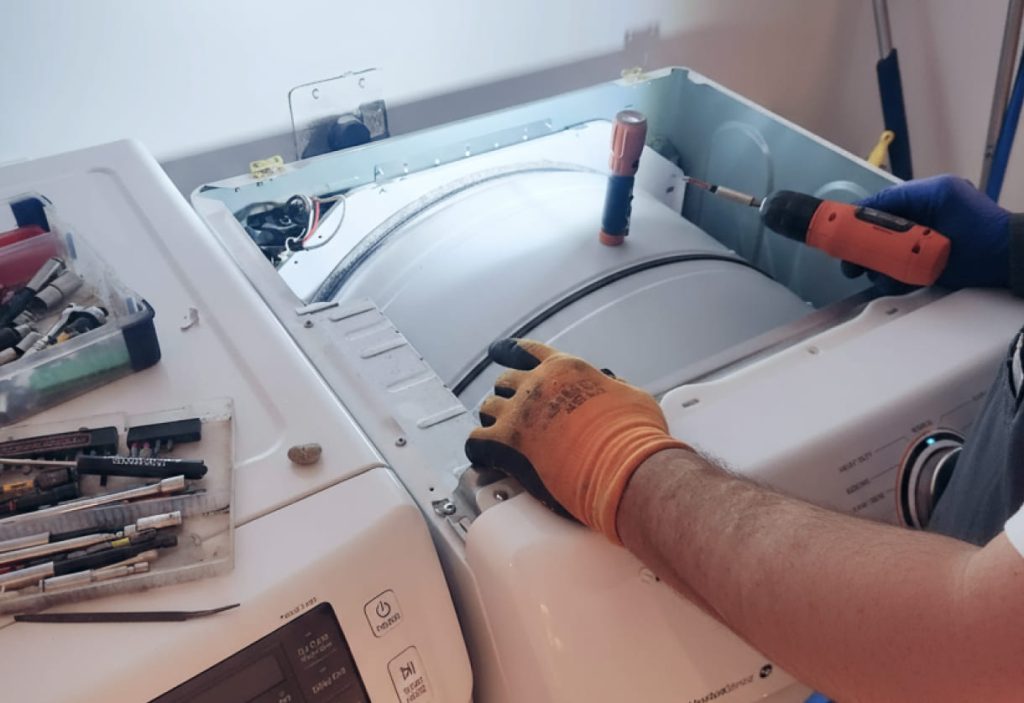
Most front-load washers have an accessible filter near the bottom front panel — checking and clearing it is a simple first step before assuming a bigger repair is needed.
Washing Machine Won’t Spin
A washing machine not spinning but still filling and agitating usually points to one of a few specific issues.
Common causes:
- Unbalanced load (too much weight on one side of the drum)
- Worn or broken drive belt
- Faulty lid switch
- Worn motor coupling (common on older top-load washers)
Try redistributing the load and running the cycle again — if the problem persists across multiple loads, it’s likely mechanical rather than a load-balance issue.
Washing Machine Leaking Water
A washing machine leaking water can come from several different points, and identifying the source helps determine whether it’s a simple fix or a bigger repair.
Where to check:
- Door/lid seal — cracked or worn gaskets on front-load machines are a frequent leak source
- Hose connections — inlet and drain hoses can loosen or crack over time
- Detergent dispenser — overuse of detergent can cause oversudsing and leaking
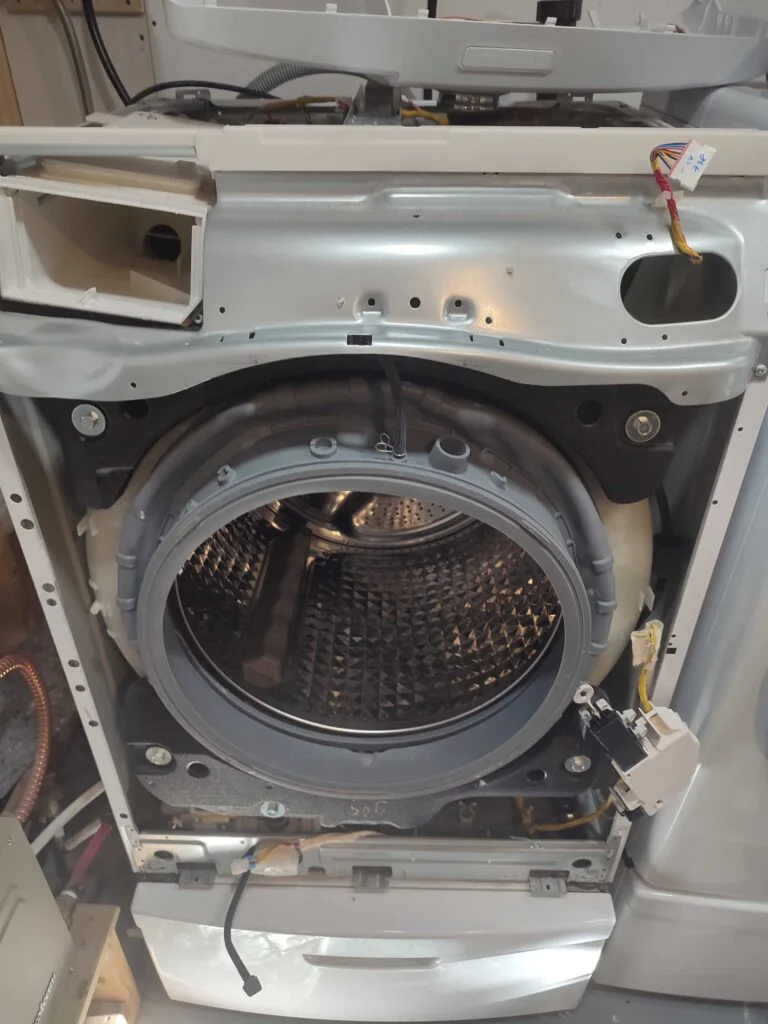
- Tub seals — internal seals wearing out is a more serious issue requiring professional repair
Washing Machine Making Loud Noises
Some noise during normal operation is expected, but a washer making loud noise consistently usually signals a developing problem.
What different noises might mean:
- Banging/thumping — usually an unbalanced load, but can indicate suspension issues
- Grinding — often a sign of worn bearings
- Squealing — commonly a worn belt or motor coupling
- Clicking — can indicate an object caught in the pump or drum
Persistent grinding or squealing is best diagnosed by a professional before it causes additional damage to internal components.

Clothes Coming Out Still Dirty or with Residue
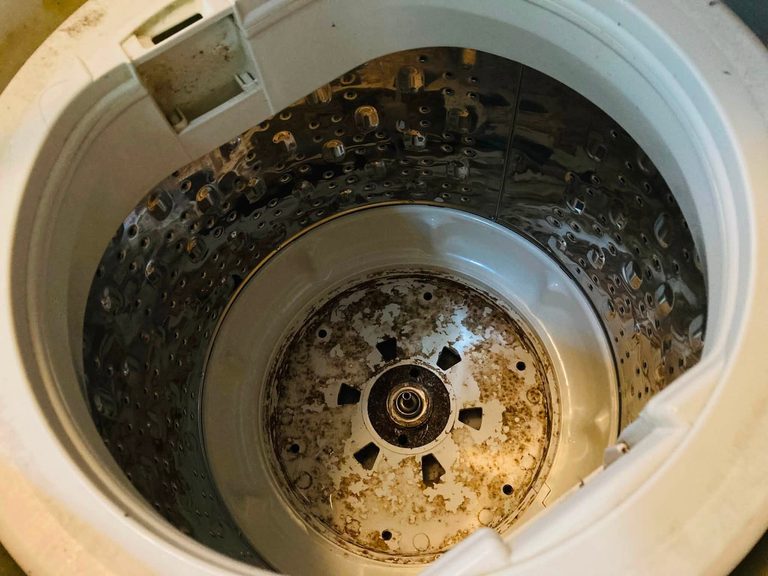
If your washer runs a full cycle but clothes come out dirty, musty, or covered in detergent residue, the issue is often related to water temperature, overloading, or mold and mildew buildup — especially in front-load washers with rubber door seals.
Simple fixes:
- Run a monthly cleaning cycle with washing machine cleaner or white vinegar
- Wipe down the rubber door seal regularly and leave the door open between loads to prevent mildew
- Avoid overloading the drum, which limits proper water circulation
- Use the correct amount and type of detergent for your machine (HE detergent for high-efficiency washers)
Is It Worth Repairing My Washing Machine?
This is one of the most common questions homeowners ask before booking a repair. As a general rule:
- If the washer is under 8 years old and the repair cost is less than half the price of a new unit, repair is usually the better value
- If the machine is older than 10 years and facing a major repair (like a failed motor or control board), replacement may make more financial sense
- Frequent, repeated breakdowns — even minor ones — are often a sign the machine is nearing the end of its lifespan
A technician can give you an accurate repair-vs-replace recommendation based on the specific issue and your machine’s age and brand.
Preventive Maintenance Checklist
- Clean the detergent dispenser and drum monthly
- Check and clear the drain filter every few months
- Inspect hoses for cracks or bulges annually
- Avoid overloading the machine beyond its recommended capacity
- Leave the door open between loads on front-load washers to prevent mold
- Address small leaks or noises early before they become bigger repairs
When to Call a Professional for Washer Repair
Some washing machine problems are simple enough to check yourself. Others are better left to a trained technician, especially if you notice:
- Persistent grinding or squealing noises
- Water leaking from the tub itself rather than hoses or seals
- The machine trips the breaker repeatedly
- Error codes that don’t resolve after a reset
- The drum not spinning at all despite a normal cycle
Attempting complex internal repairs without the right tools or experience can lead to further damage or void your appliance’s warranty.
Conclusion
A washing machine that won’t start, drain, or spin properly can throw off your entire household routine, but most problems give warning signs before a complete breakdown. From clogged filters and worn belts to leaking hoses and failing seals, knowing what to check can help you catch small issues before they turn into costly repairs.
If you’re searching for washing machine repair near me in Abilene, regular maintenance and prompt attention to unusual noises or leaks can extend the life of your washer — and save you from an emergency repair call during a busy laundry week.
Need washing machine repair in Abilene? Contact us today to schedule a fast, reliable diagnosis and get your laundry routine back on track.
Frequently Asked Questions
.