AC Not Cooling in Abilene Heat What Could Be Wrong?
When summer temperatures climb into the triple digits, a working air conditioner isn’t just a luxury—it’s a necessity. If your AC is running but not cooling your home, you’re probably asking yourself, “What went wrong?” The good news is that many cooling problems have common causes, and some can even be identified before you call a technician.
Think of your air conditioner like your car. Even the most reliable vehicle needs regular maintenance to perform its best. The same goes for your cooling system. A small issue, if ignored, can quickly turn into a major repair during the hottest days of the year.
This guide walks you through the most common reasons an AC stops cooling in Abilene’s extreme heat and what you can do to restore comfort to your home.
Why Abilene Heat Pushes AC Systems to the Limit
Abilene summers are known for long periods of intense heat. During these months, your air conditioner works almost nonstop to maintain a comfortable indoor temperature. Continuous operation increases wear and tear, making even minor problems more noticeable.
A system that performs perfectly in spring may struggle once outdoor temperatures exceed 100°F. That’s why regular inspections and maintenance become especially important before peak summer arrives.
Dirty Air Filters Can Restrict Airflow
One of the simplest yet most common reasons an AC stops cooling is a dirty air filter.
Signs of a Dirty Filter
- Weak airflow from vents
- Dust accumulating indoors
- Uneven cooling throughout the house
When airflow becomes restricted, your AC has to work harder while delivering less cool air. Replacing the filter every one to three months can significantly improve performance.
Thermostat Problems Can Cause Cooling Issues
Sometimes the air conditioner itself isn’t the problem.
Things to Check
- Is the thermostat set to “Cool”?
- Is the temperature setting lower than room temperature?
- Are the batteries dead?
- Is the thermostat receiving power?
A malfunctioning thermostat may incorrectly signal the AC system, preventing it from cooling properly.
Low Refrigerant Levels Reduce Cooling Performance
Refrigerant is responsible for removing heat from your home. If refrigerant levels drop due to a leak, your AC cannot cool efficiently.
Common Symptoms
- Warm air blowing from vents
- Ice forming on refrigerant lines
- Long cooling cycles
- Hissing or bubbling noises
Unlike fuel, refrigerant doesn’t get “used up.” Low levels usually indicate a leak that requires professional repair.
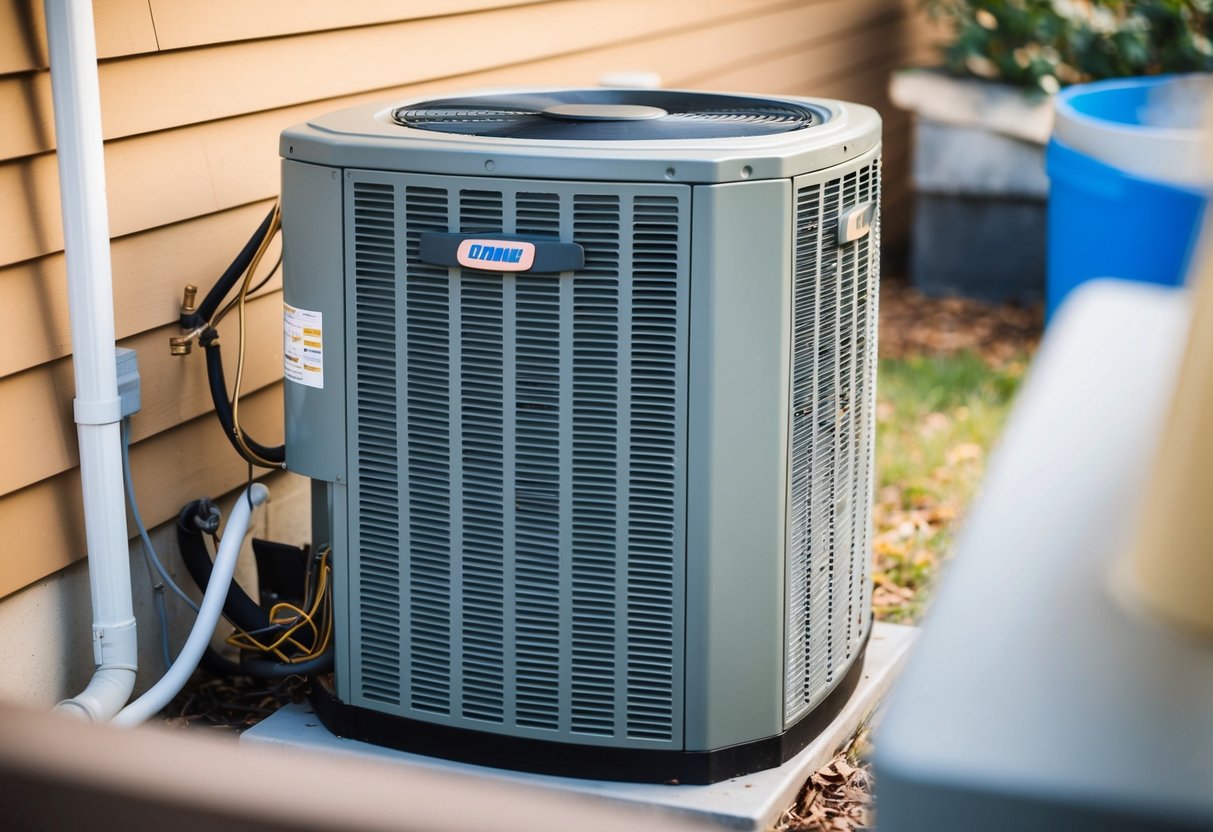
Dirty Condenser Coils Make It Hard to Release Heat
The outdoor condenser unit releases heat collected from inside your home. Over time, dirt, grass, pollen, and debris can cover the coils.
Why This Matters
Dirty coils reduce heat transfer, causing your system to work much harder while producing less cooling.
Frozen Evaporator Coil Stops Proper Cooling
It may sound strange, but ice inside your AC can actually make your home warmer.
Common Causes
Poor airflow
Dirty filters
Low refrigerant
Blocked duct
If you notice ice on indoor components, turn the system off and allow it to thaw before scheduling professional service.
Blocked Air Vents Limit Comfort
Furniture, rugs, curtains, or closed vents can prevent cool air from circulating properly.
Quick Inspection
- Supply vents remain open
- Furniture isn’t blocking airflow
- Return vents are unobstructed
Compressor Issues Can Reduce Cooling Capacity
The compressor is often called the heart of the air conditioning system. Without it, refrigerant cannot circulate properly.
Signs of Compressor Trouble
- Loud clicking noises
- Warm indoor air
- Frequent breaker trips
- Outdoor unit struggling to start
Compressor repairs are among the more complex HVAC repairs and typically require expert diagnosis.
An Aging AC System May Be Losing Efficiency
Even with proper maintenance, every air conditioner has a lifespan.
Warning Signs of an Aging System
- Frequent breakdowns
- Increasing repair costs
- Higher utility bills
- Uneven cooling
- Constant operation
Most central air conditioning systems last between 12 and 20 years, depending on maintenance and usage.
If your system is nearing the end of its life, replacing it may provide better efficiency and lower monthly energy costs. repair now
Preventive Maintenance Tips to Avoid Cooling Problems
Routine maintenance is the best way to prevent unexpected breakdowns during Abilene’s hottest months.
Simple Maintenance Checklist
- Replace air filters regularly
- Keep outdoor units clean
- Trim vegetation around the condenser
- Schedule annual HVAC inspections
- Clean supply vents
- Seal air leaks around windows and doors
- Monitor unusual noises
- Check thermostat settings periodically
Preventive care often costs far less than emergency repairs.
When to Call an HVAC Professional
While homeowners can safely perform basic maintenance, some problems require professional attention.
Call a qualified HVAC technician if you notice
- Warm air despite correct thermostat settings
- Ice on refrigerant lines
- Burning smells
- Water leaking indoors
- Electrical issues
- Refrigerant leaks
- Loud grinding or banging noises
- Repeated system shutdowns
Prompt repairs help prevent additional damage and may extend the life of your cooling system.
Conclusion
An air conditioner that isn’t cooling during an Abilene summer can quickly turn your home into an uncomfortable place. Fortunately, many cooling problems have recognizable causes, from dirty air filters and blocked vents to refrigerant leaks and compressor failures.
Regular maintenance, timely repairs, and paying attention to early warning signs can help keep your cooling system running efficiently when temperatures soar. Whether the solution is as simple as replacing an air filter or as involved as repairing a compressor, addressing problems early saves both money and stress while keeping your family comfortable throughout the hottest months of the year.
Frequently Asked Questions
Yes. During periods of extreme heat, your air conditioner must work much harder, making existing problems more noticeable and reducing cooling efficiency if maintenance has been neglected.